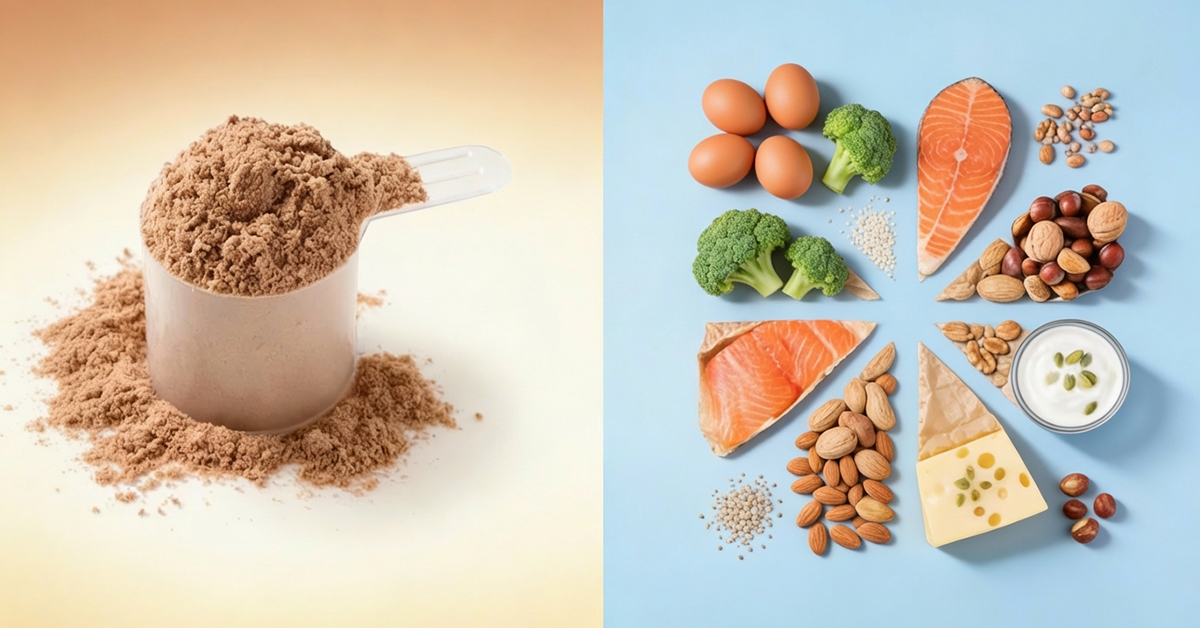
Protein is an essential for the body as it acts as a fundamental building block of all cells for growth, repair, and maintenance. Moreover, it plays a major role in energy production and fluid production. But the main question that arises is whether higher protein always means better quality? In this blog, we will find out more about whether higher protein always means better quality
Understanding the digestion and distribution of protein
Let’s understand how to rate protein quality, which requires a short primer on how you digest protein.
All proteins are constructed from the individual building blocks that are known as amino acids. When it is consumed, then proteins are typically in a folded structure. As you digest protein, gastric fluids begin to help the structures unfold. Enzymes like Pepsin will continue to break down these structures into small peptides. However, this dismantling process is completed in the small intestine, where enzymes such as chymotrypsin and trypsin will further break down the peptides into the free amino acids. However, these amino acids are more easily absorbed into the bloodstream and will contribute to the body’s amino acid pools. The goal of the digestion is to break down proteins into an individual components. Amino Acid pools are distributed throughout the body in several compartments, like blood plasma, intracellular fluid. However, cells draw from these pools for growth, repair, and other metabolic processes. Moreover, amino acids are available throughout the body and ready to respond to an injury, increased demand, or building requirements.
Absorption and Digestion
For a protein to be considered a high-quality protein, your body needs to be able to break it, digest it, and absorb its amino acids. Your body’s enzymes and digestive proteins are really good at unraveling most of the protein structures and splitting them into the most amino acid sequences, but certain protein structures and amino acid sequences are more of a challenge. Moreover, some cooking techniques will affect the structure of the protein, which makes it either a bit easier or a bit harder to digest. So, the high-quality proteins are the proteins that are simpler to digest. Moreover, this is mostly influenced by the protein’s structure, but it can also be affected by how the protein is processed or cooked.
Effective utilization
Once a protein is absorbed and digested, your body needs to be able to use it, and this mostly boils down to the amino acid composition of the protein, which determines if it has sufficient amounts of the essential amino acids. Furthermore, if you can digest and absorb all of the amino acids in a protein, but the protein lacks lysine, then your body won’t be able to use the rest of the amino acids as effectively. Most proteins in your body will include at least a few lysine molecules, so the lack of lysine severely hampers your body’s ability to make use of the rest of the amino acids. On the other hand , if the protein does not have sufficient levels of all the vital amino acids, then there is nothing limiting your body’s ability to make good use of all the amino acids that you will absorb. So, for protein to be well-considered a high-quality protein as it requires digestion and absorption, and it needs to have an amino acid composition that will make sure that your body can obtain essential amino acid that cannot be considered high-quality. Conversely, if a protein has an excellent amino acid profile, then it is hard to digest and it’s not high-quality.
What You Can Eat on a High-Protein Diet
A high-protein diet usually recommends consuming more than 20% of the total calories from protein. This typically means fewer calories from fats or carbohydrates. Not all foods are expressly forbidden on a high-protein diet, but consuming more lean proteins and fewer refined sugars, carbohydrates, and fats is recommended. However, there is no particular meal timing for the high-protein diet. Moreover, some people will also practice intermittent fasting, which involves restricting calories to particular days of the week and fasting on others, or going for extended periods without eating each day, like 16 hours a day.
Different Variations of a High-Protein Diet
Some of the versions of a high-protein diet are less well-rounded than the examples that are provided. The basic premise of a high-protein diet is to eat a larger amount of protein than the other conventional diets. Most of the examples include if it fits your macros style of eating or a low-carb diet that will focus on high-fat foods such as cheese and bacon.
What is a High-Protein Meal Plan
Every meal on a high-protein diet will feature a serving of protein that is accompanied by small servings of certain fruits and whole grains. Also, you can snack on protein in between meals to curb hunger. Low-fat string cheese and nuts are good options. The following three-to-seven-day meal plan offers a glimpse at what a high-protein diet might look like. Also, you can choose to accompany these meals with water or a glass of wine at dinner. You can also keep in mind that if you decide to follow this diet, then other meals will be more appropriate in your taste and preferences.
Environmental Considerations
Environmentally conscious individuals might note that red meat is the first item of a high-protein diet and can substitute red meat with the other proteins mentioned. However, this can mean adhering to once-a-week red meat consumption or eliminating it-whatever balance that you deem will be most appropriate.
Conclusion: –
The best diet for you is the one that offers the fuel that your body requires while also being a plan that you can stick to. For some, this is a high-protein weight loss plan. However, if eating more protein helps you to eat less all day and build a stronger, more active body, then it might be a good program for you. Do remember, following a short-term or long-term diet will not be necessary for you, and many diets out that simply don’t work, especially the long-term.