
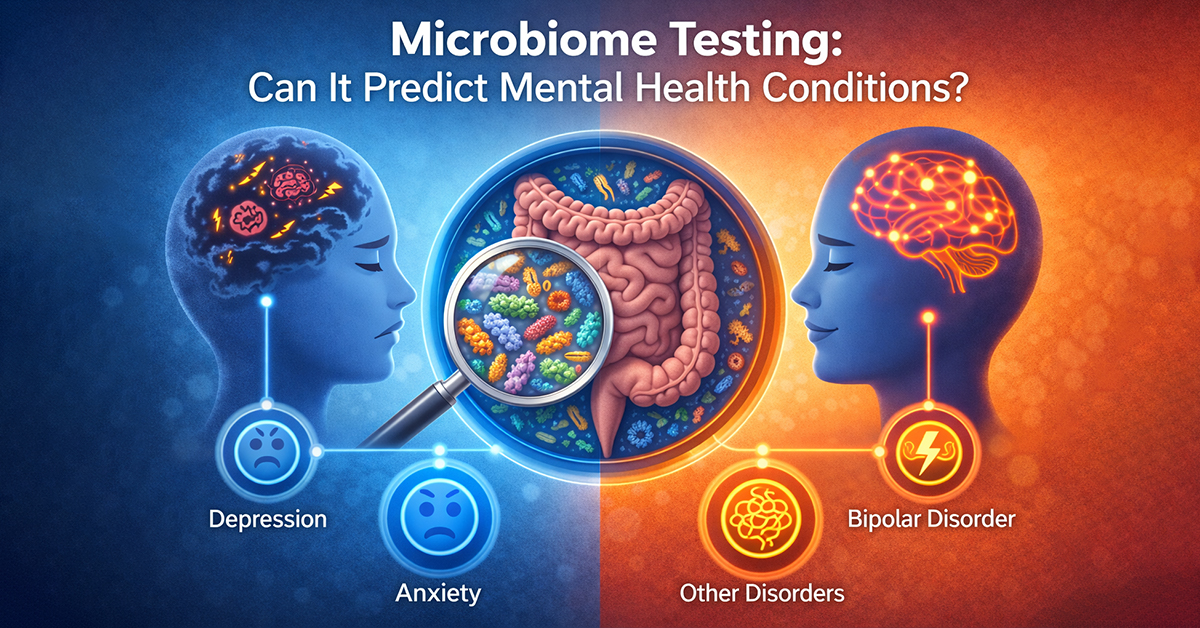
Nowadays, gut microbiome has become one of the trending topic in health and wellness with increasing evidence linking gut bacteria to digestion, mental health, and even chronic diseases. However, this growing awareness has led to a surge in microbiome testing kits marketed directly to consumers as tools for understanding gut health and making personalized dietary and lifestyle choices. But you must be wondering how reliable these tests are? Can they really tell you what to eat or predict health outcomes, and what you should know about privacy concerns, ethical issues, and regulatory challenges? This blog breaks down the science behind the microbiome testing, answering key questions to handle consumer expectations.
What is the Gut Microbiome?
Your body contains countless microbes, both internally and externally. The largest group of these microorganisms resides in your intestines and is called the gut microbiome. This collection includes viruses, fungi, and bacteria. Everyone possesses a distinct gut microbiome with a unique mix of species. Even identical twins, despite having the same genes, host different gut microbiomes. Researchers now recognize that maintaining a healthy, diverse gut microbiome is associated with better health. Unlike your genes, your gut microbiome can change over time. Initially, microbes from your mother establish your gut microbiome. As you grow, microbes acquired from friends, pets, and your environment further shape it. Certain habits—like eating a varied diet rich in plants, consuming probiotic and fermented foods, sleeping well, and staying active—all support your gut microbiome.
What is a Gut Microbiome Test?
A gut microbiome test utilizes a stool sample to find out which microbes live in your gut. This will include fungi, bacteria, and viruses. If you are testing in home, then the lab technician will give you a small container in which you can collect the sample. Once they analyze the data, they will be able to tell you the estimated composition of your gut microbiome.
How Knowing Your Gut Composition can Help?
The microbes in your gut will help in digesting your food and will use food components for their own metabolism. However, this means that the food you consume helps in determining what types of microbes live in this system. Fiber-rich foods are crucial for fiber-eating bacteria that are related with a healthy gut microbiome. On the other hand, ultra-processed foods will encourage harmful bacteria to grow and upset the gut’s delicate balance.
In short, consuming processed foods such as potato chips or ice cream will causes temporary lift in the blood sugar or even a mild stomach upset, but it is generally nothing that should be worried out.
In the long term, an ultra-processed diet will create ideal conditions for bad microbiomes to thrive. Gut microbiome testing has great potential for healthcare, but there are several challenges that remain.
However, an ultra-processed diet will provide ideal conditions for bad microbes to thrive.
Gut microbiome testing has good potential for healthcare, but several challenges remain. These include a lack of clear rules and standards and confusion between commercial tests meant for the consumers and clinically supervised alternatives. Moreover, other issues will include unreliable results and a lack of training for the healthcare professionals. Developing validated tools will help in making the tests more reliable, benefiting consumers, companies, and research, making it easier to use microbiome data in the future.
One step in the direction is the development of in vitro diagnostic tests. These are some of the tests that go through rigorous checks to make sure that they produce accurate, reliable results that will lead to medical decisions. Research has suggested that companies are working on validating and developing like tools for microbiome testing. These developments are done in close collaboration and in specific clinical conditions. However, this shift will not only build confidence and patience but will also help in integrating microbiome science into routine medical decision-making.
What should you keep in mind when receiving your microbiome test results?
Microbiome testing will be a fascinating tool and it is crucial to approach the results with a critical mindset. Some of the key points to keep in mind:
Commercial tests that are available to consumers without the supervision of a healthcare professional should not be used to diagnose or predict disease. Since reports suggested that there are some health risks, and often these are based on correlations, not proof that certain bacteria that will cause or prevent disease. While certain bacteria might be more common in people with particular health conditions. Also, it is necessary to look for transparency and companies should clearly explain on how they analyse microbiome data and provide references with the research.
Be sceptical of dietary recommendations: Since some tests claim to provide personalized nutrition advice, recommendations should be taken by consulting a healthcare professional.
Conclusion
Gut microbiome testing has great potential for healthcare professionals, and there are several challenges that will remain. However, these will include a lack of clear standards and confusion between the commercial tests that are meant for the customers and clinically supervised alternatives. Furthermore, other problems include inconsistent practices, unreliable results. By developing validated tools and quality checks, it will make tests more reliable, which will benefit consumers which making it easier to use microbiome data in the future.